Buy topkodas.eu ?
We are moving the project
topkodas.eu .
Are you interested in purchasing the domain
topkodas.eu ?
domain@kv-gmbh.de · 0541-91531010
Buy topkodas.eu ?
Why are hemiacetal hydroxyl groups more reactive?
Hemiacetal hydroxyl groups are more reactive than regular hydroxyl groups because they are attached to a carbon atom that is also bonded to an oxygen atom. This makes the carbon atom partially positive, increasing the electrophilicity of the hydroxyl group. As a result, hemiacetal hydroxyl groups are more prone to nucleophilic attack, making them more reactive in various chemical reactions such as acetal formation or hydrolysis. **
How does base-catalyzed hemiacetal formation occur?
Base-catalyzed hemiacetal formation occurs through a nucleophilic attack of the hydroxyl group of an alcohol on the carbonyl carbon of an aldehyde or ketone. The base deprotonates the hydroxyl group, making it a better nucleophile, which then attacks the electrophilic carbonyl carbon. This forms a tetrahedral intermediate, which then collapses to form the hemiacetal product. The base also helps in deprotonating the newly formed alcohol group, stabilizing the hemiacetal product. **

Similar search terms for Hemiacetal
Top-Angebote
Products related to Hemiacetal:
-
iFixit Essential Electronics ToolkitThe iFixit Essential Electronics Toolkit is a compact starter repair kit for phones, tablets, laptops, game consoles and other small electronics. It includes a precision bit driver with 16 precision bits plus the basic opening and prying tools needed for common repairs such as screen and battery replacements.40,99 £*Shipping: 0,00 £Secure redirect to the provider
-
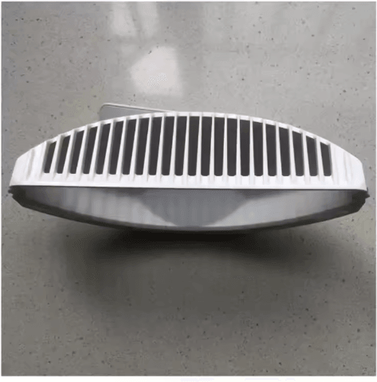
Inspire Picks TONEPIE Automatic Cat Litter Box Replacement Accessories Filter, Vent Screen, Trash Bag & Bin Components old sand WedgeKeep your automatic litter box operating at peak performance with these automatic cat litter box accessories designed specifically for compatible TONEPIE litter systems. Whether replacing a worn filter, ventilation screen, trash bag, bin door,...34,93 $*Shipping: 0,00 $Secure redirect to the provider
-
Inspire Picks TONEPIE Automatic Cat Litter Box Replacement Accessories Filter, Vent Screen, Trash Bag & Bin Components new Filter ScreenKeep your automatic litter box operating at peak performance with these automatic cat litter box accessories designed specifically for compatible TONEPIE litter systems. Whether replacing a worn filter, ventilation screen, trash bag, bin door,...46,13 $*Shipping: 0,00 $Secure redirect to the provider
-
Inspire Picks TONEPIE Automatic Cat Litter Box Replacement Accessories Filter, Vent Screen, Trash Bag & Bin Components new sand BarrierKeep your automatic litter box operating at peak performance with these automatic cat litter box accessories designed specifically for compatible TONEPIE litter systems. Whether replacing a worn filter, ventilation screen, trash bag, bin door,...41,44 $*Shipping: 0,00 $Secure redirect to the provider



-
What is the definition of acetal and hemiacetal?
Acetal and hemiacetal are both functional groups in organic chemistry. An acetal is a functional group with two -OR groups attached to a carbon atom, while a hemiacetal has one -OR group and one -OH group attached to a carbon atom. Acetals are formed from the reaction between an aldehyde or ketone with two alcohol groups, while hemiacetals are formed from the reaction between an aldehyde or ketone with one alcohol group. Both acetal and hemiacetal groups are commonly found in carbohydrates. **
-
What is the term for intramolecular hemiacetal formation?
The term for intramolecular hemiacetal formation is called cyclization. This process involves the formation of a hemiacetal within the same molecule, typically through the reaction of a hydroxyl group with a carbonyl group in close proximity. Cyclization reactions are commonly seen in carbohydrate chemistry and are important for the formation of cyclic structures in organic compounds. **
-
How does the base-catalyzed hemiacetal formation occur?
Base-catalyzed hemiacetal formation occurs through a nucleophilic attack of the hydroxyl group of an alcohol on the carbonyl carbon of an aldehyde or ketone. The base deprotonates the alcohol, making it a better nucleophile. The nucleophilic oxygen then attacks the electrophilic carbonyl carbon, leading to the formation of a tetrahedral intermediate. Finally, proton transfer and elimination of the leaving group result in the formation of the hemiacetal product. **
-
How is a hemiacetal and an acetal formed?
A hemiacetal is formed when an alcohol group reacts with an aldehyde or ketone group, resulting in the formation of a carbon-oxygen-carbon bond. This reaction involves the nucleophilic attack of the alcohol oxygen on the carbonyl carbon, followed by proton transfer to form the hemiacetal. An acetal is then formed when a hemiacetal undergoes a second alcohol addition reaction, resulting in the formation of a new carbon-oxygen-carbon bond and the elimination of a water molecule. **

What is the chemical structure of formaldehyde, ethanol, and hemiacetal?
Formaldehyde has a chemical structure of HCHO, with a carbon atom bonded to two hydrogen atoms and an oxygen atom. Ethanol has a chemical structure of C2H5OH, with two carbon atoms bonded to each other, one of which is also bonded to three hydrogen atoms and the other to an oxygen atom. A hemiacetal has a general chemical structure of R1R2C(OH)OR3, where R1 and R2 are alkyl or aryl groups, and R3 is an alkyl or aryl group or a hydrogen atom. **
What is the structure of the starting materials for a hemiacetal?
The starting materials for a hemiacetal are an aldehyde or a ketone and an alcohol. The aldehyde or ketone contains a carbonyl group (C=O) and the alcohol contains a hydroxyl group (OH). When the carbonyl group of the aldehyde or ketone reacts with the hydroxyl group of the alcohol, a hemiacetal is formed through a nucleophilic addition reaction. The resulting structure contains an -OH group and an -OR group (where R is an alkyl or aryl group) attached to the same carbon atom, forming a hemiacetal functional group. **
Top-Angebote
Products related to Hemiacetal:
-
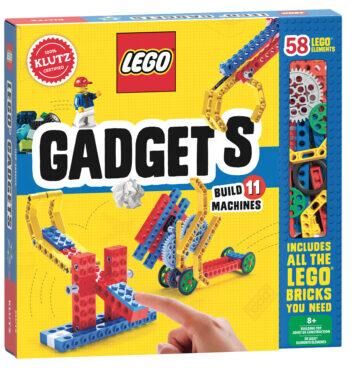
Klutz: LEGO GadgetsThis activity kit will have you building 11 machines including a gravity powered car and a wacky boxing robot. The fun doesn't stop once you've completed all of the projects in the book - open-ended prompts will inspire you to continue experimenting...24,99 $*Shipping: 0,00 $Secure redirect to the provider
-
Inspire Picks TONEPIE Automatic Cat Litter Box Replacement Accessories Filter, Vent Screen, Trash Bag & Bin Components power AdaptersKeep your automatic litter box operating at peak performance with these automatic cat litter box accessories designed specifically for compatible TONEPIE litter systems. Whether replacing a worn filter, ventilation screen, trash bag, bin door,...92,40 $*Shipping: 0,00 $Secure redirect to the provider
-
iFixit Essential Electronics ToolkitThe iFixit Essential Electronics Toolkit is a compact starter repair kit for phones, tablets, laptops, game consoles and other small electronics. It includes a precision bit driver with 16 precision bits plus the basic opening and prying tools needed for common repairs such as screen and battery replacements.40,99 £*Shipping: 0,00 £Secure redirect to the provider
-
Inspire Picks TONEPIE Automatic Cat Litter Box Replacement Accessories Filter, Vent Screen, Trash Bag & Bin Components old sand WedgeKeep your automatic litter box operating at peak performance with these automatic cat litter box accessories designed specifically for compatible TONEPIE litter systems. Whether replacing a worn filter, ventilation screen, trash bag, bin door,...34,93 $*Shipping: 0,00 $Secure redirect to the provider
-
Why are hemiacetal hydroxyl groups more reactive?
Hemiacetal hydroxyl groups are more reactive than regular hydroxyl groups because they are attached to a carbon atom that is also bonded to an oxygen atom. This makes the carbon atom partially positive, increasing the electrophilicity of the hydroxyl group. As a result, hemiacetal hydroxyl groups are more prone to nucleophilic attack, making them more reactive in various chemical reactions such as acetal formation or hydrolysis. **
-
How does base-catalyzed hemiacetal formation occur?
Base-catalyzed hemiacetal formation occurs through a nucleophilic attack of the hydroxyl group of an alcohol on the carbonyl carbon of an aldehyde or ketone. The base deprotonates the hydroxyl group, making it a better nucleophile, which then attacks the electrophilic carbonyl carbon. This forms a tetrahedral intermediate, which then collapses to form the hemiacetal product. The base also helps in deprotonating the newly formed alcohol group, stabilizing the hemiacetal product. **
-
What is the definition of acetal and hemiacetal?
Acetal and hemiacetal are both functional groups in organic chemistry. An acetal is a functional group with two -OR groups attached to a carbon atom, while a hemiacetal has one -OR group and one -OH group attached to a carbon atom. Acetals are formed from the reaction between an aldehyde or ketone with two alcohol groups, while hemiacetals are formed from the reaction between an aldehyde or ketone with one alcohol group. Both acetal and hemiacetal groups are commonly found in carbohydrates. **
-
What is the term for intramolecular hemiacetal formation?
The term for intramolecular hemiacetal formation is called cyclization. This process involves the formation of a hemiacetal within the same molecule, typically through the reaction of a hydroxyl group with a carbonyl group in close proximity. Cyclization reactions are commonly seen in carbohydrate chemistry and are important for the formation of cyclic structures in organic compounds. **
Similar search terms for Hemiacetal
-
Inspire Picks TONEPIE Automatic Cat Litter Box Replacement Accessories Filter, Vent Screen, Trash Bag & Bin Components new Filter ScreenKeep your automatic litter box operating at peak performance with these automatic cat litter box accessories designed specifically for compatible TONEPIE litter systems. Whether replacing a worn filter, ventilation screen, trash bag, bin door,...46,13 $*Shipping: 0,00 $Secure redirect to the provider
-
Inspire Picks TONEPIE Automatic Cat Litter Box Replacement Accessories Filter, Vent Screen, Trash Bag & Bin Components new sand BarrierKeep your automatic litter box operating at peak performance with these automatic cat litter box accessories designed specifically for compatible TONEPIE litter systems. Whether replacing a worn filter, ventilation screen, trash bag, bin door,...41,44 $*Shipping: 0,00 $Secure redirect to the provider
-
Inspire Picks TONEPIE Automatic Cat Litter Box Replacement Accessories Filter, Vent Screen, Trash Bag & Bin Components accessory Stopper X2Keep your automatic litter box operating at peak performance with these automatic cat litter box accessories designed specifically for compatible TONEPIE litter systems. Whether replacing a worn filter, ventilation screen, trash bag, bin door,...34,93 $*Shipping: 0,00 $Secure redirect to the provider
-
Inspire Picks TONEPIE Automatic Cat Litter Box Replacement Accessories Filter, Vent Screen, Trash Bag & Bin Components garbage Bag RingKeep your automatic litter box operating at peak performance with these automatic cat litter box accessories designed specifically for compatible TONEPIE litter systems. Whether replacing a worn filter, ventilation screen, trash bag, bin door,...56,21 $*Shipping: 0,00 $Secure redirect to the provider
-
How does the base-catalyzed hemiacetal formation occur?
Base-catalyzed hemiacetal formation occurs through a nucleophilic attack of the hydroxyl group of an alcohol on the carbonyl carbon of an aldehyde or ketone. The base deprotonates the alcohol, making it a better nucleophile. The nucleophilic oxygen then attacks the electrophilic carbonyl carbon, leading to the formation of a tetrahedral intermediate. Finally, proton transfer and elimination of the leaving group result in the formation of the hemiacetal product. **
-
How is a hemiacetal and an acetal formed?
A hemiacetal is formed when an alcohol group reacts with an aldehyde or ketone group, resulting in the formation of a carbon-oxygen-carbon bond. This reaction involves the nucleophilic attack of the alcohol oxygen on the carbonyl carbon, followed by proton transfer to form the hemiacetal. An acetal is then formed when a hemiacetal undergoes a second alcohol addition reaction, resulting in the formation of a new carbon-oxygen-carbon bond and the elimination of a water molecule. **
-
What is the chemical structure of formaldehyde, ethanol, and hemiacetal?
Formaldehyde has a chemical structure of HCHO, with a carbon atom bonded to two hydrogen atoms and an oxygen atom. Ethanol has a chemical structure of C2H5OH, with two carbon atoms bonded to each other, one of which is also bonded to three hydrogen atoms and the other to an oxygen atom. A hemiacetal has a general chemical structure of R1R2C(OH)OR3, where R1 and R2 are alkyl or aryl groups, and R3 is an alkyl or aryl group or a hydrogen atom. **
-
What is the structure of the starting materials for a hemiacetal?
The starting materials for a hemiacetal are an aldehyde or a ketone and an alcohol. The aldehyde or ketone contains a carbonyl group (C=O) and the alcohol contains a hydroxyl group (OH). When the carbonyl group of the aldehyde or ketone reacts with the hydroxyl group of the alcohol, a hemiacetal is formed through a nucleophilic addition reaction. The resulting structure contains an -OH group and an -OR group (where R is an alkyl or aryl group) attached to the same carbon atom, forming a hemiacetal functional group. **
* All prices are inclusive of VAT and, if applicable, plus shipping costs. The offer information is based on the details provided by the respective shop and is updated through automated processes. Real-time updates do not occur, so deviations can occur in individual cases. ** Note: Parts of this content were created by AI.