Buy topkodas.eu ?
We are moving the project
topkodas.eu .
Are you interested in purchasing the domain
topkodas.eu ?
domain@kv-gmbh.de · 0541-91531010
Buy topkodas.eu ?
What is meant by unwanted electrical interference in devices?
Unwanted electrical interference in devices refers to the presence of electromagnetic signals or noise that disrupt the normal operation of electronic equipment. This interference can be caused by various sources such as power lines, radio waves, or other electronic devices. It can lead to malfunctions, data corruption, or even complete failure of the affected devices. To mitigate unwanted electrical interference, devices may be shielded or grounded, and filters or isolators can be used to reduce the impact of external signals. **
How can one protect electronics from electromagnetic interference using an aluminum box?
One can protect electronics from electromagnetic interference using an aluminum box by creating a Faraday cage. This involves enclosing the electronics within the aluminum box, which acts as a barrier to electromagnetic fields. The aluminum box should be properly sealed to ensure that no electromagnetic waves can penetrate it. Additionally, any openings or seams in the box should be properly shielded with conductive materials to prevent interference. Finally, grounding the aluminum box can help to dissipate any electromagnetic energy that does manage to penetrate the enclosure. **
Similar search terms for Interference
Top-Angebote
Products related to Interference:
-
Inspire Picks TONEPIE Automatic Cat Litter Box Replacement Accessories Filter, Vent Screen, Trash Bag & Bin Components power AdaptersKeep your automatic litter box operating at peak performance with these automatic cat litter box accessories designed specifically for compatible TONEPIE litter systems. Whether replacing a worn filter, ventilation screen, trash bag, bin door,...92,40 $*Shipping: 0,00 $Secure redirect to the provider
-
Inspire Picks TONEPIE Automatic Cat Litter Box Replacement Accessories Filter, Vent Screen, Trash Bag & Bin Components new Bottom BracketKeep your automatic litter box operating at peak performance with these automatic cat litter box accessories designed specifically for compatible TONEPIE litter systems. Whether replacing a worn filter, ventilation screen, trash bag, bin door,...132,08 $*Shipping: 0,00 $Secure redirect to the provider
-
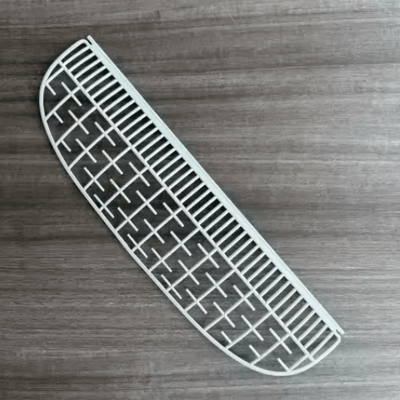
Inspire Picks TONEPIE Automatic Cat Litter Box Replacement Accessories Filter, Vent Screen, Trash Bag & Bin Components new Filter ScreenKeep your automatic litter box operating at peak performance with these automatic cat litter box accessories designed specifically for compatible TONEPIE litter systems. Whether replacing a worn filter, ventilation screen, trash bag, bin door,...46,13 $*Shipping: 0,00 $Secure redirect to the provider



-
Is it an interference?
Whether something is considered an interference depends on the context. In some cases, an interference may disrupt or hinder a process, causing inconvenience or harm. However, in other situations, an interference may be necessary to prevent a negative outcome or to ensure the proper functioning of a system. Ultimately, the impact of an interference can vary depending on the perspective and the specific circumstances involved. **
-
What are interference patterns?
Interference patterns are a phenomenon that occurs when two or more waves overlap and interact with each other. This interaction results in the waves either reinforcing each other (constructive interference) or canceling each other out (destructive interference). The resulting pattern is a series of alternating bright and dark bands, which can be observed in various wave phenomena such as light, sound, and water waves. Interference patterns are a key concept in understanding wave behavior and are used in various applications such as in interferometry and diffraction. **
-
What is interference in physics?
Interference in physics refers to the phenomenon where two or more waves overlap and combine to form a new wave pattern. This can result in either constructive interference, where the waves reinforce each other and create a wave with greater amplitude, or destructive interference, where the waves cancel each other out and create a wave with lower amplitude. Interference is a key concept in understanding wave behavior and is commonly observed in various natural phenomena such as light waves, sound waves, and water waves. **
-
Are these destructive interference waves?
Yes, the waves in the image are an example of destructive interference. Destructive interference occurs when two waves with opposite phases meet and their amplitudes subtract from each other, resulting in a wave with reduced amplitude. In the image, the two waves are out of phase and their amplitudes are subtracting from each other, leading to the formation of a wave with reduced amplitude. **

Which formula describes destructive interference?
Destructive interference is described by the formula: Δ = (m + 1/2)λ, where Δ represents the path length difference, m is an integer representing the order of the interference, and λ is the wavelength of the interfering waves. When the path length difference is equal to an odd multiple of half the wavelength, destructive interference occurs, resulting in a reduction or cancellation of the amplitude of the waves. This formula helps to predict the conditions under which destructive interference will occur in wave systems. **
What are electronic interference noises?
Electronic interference noises are unwanted signals or disturbances that can disrupt the normal operation of electronic devices. These noises can be caused by electromagnetic interference (EMI) from other electronic devices, radio frequency interference (RFI) from nearby radio transmitters, or even from internal components within the device itself. Electronic interference noises can manifest as static, buzzing, clicking, or other disruptive sounds, and can degrade the performance of audio equipment, communication systems, and other electronic devices. Measures such as shielding, filtering, and proper grounding are often used to mitigate electronic interference noises. **
Top-Angebote
Products related to Interference:
-
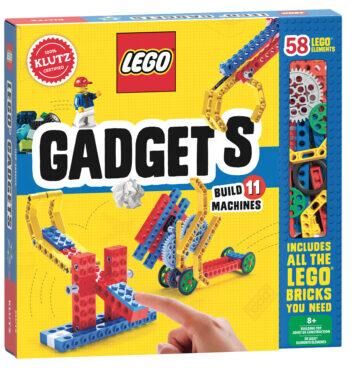
Klutz: LEGO GadgetsThis activity kit will have you building 11 machines including a gravity powered car and a wacky boxing robot. The fun doesn't stop once you've completed all of the projects in the book - open-ended prompts will inspire you to continue experimenting...24,99 $*Shipping: 0,00 $Secure redirect to the provider
-
Inspire Picks TONEPIE Automatic Cat Litter Box Replacement Accessories Filter, Vent Screen, Trash Bag & Bin Components power AdaptersKeep your automatic litter box operating at peak performance with these automatic cat litter box accessories designed specifically for compatible TONEPIE litter systems. Whether replacing a worn filter, ventilation screen, trash bag, bin door,...92,40 $*Shipping: 0,00 $Secure redirect to the provider
-
What is meant by unwanted electrical interference in devices?
Unwanted electrical interference in devices refers to the presence of electromagnetic signals or noise that disrupt the normal operation of electronic equipment. This interference can be caused by various sources such as power lines, radio waves, or other electronic devices. It can lead to malfunctions, data corruption, or even complete failure of the affected devices. To mitigate unwanted electrical interference, devices may be shielded or grounded, and filters or isolators can be used to reduce the impact of external signals. **
-
How can one protect electronics from electromagnetic interference using an aluminum box?
One can protect electronics from electromagnetic interference using an aluminum box by creating a Faraday cage. This involves enclosing the electronics within the aluminum box, which acts as a barrier to electromagnetic fields. The aluminum box should be properly sealed to ensure that no electromagnetic waves can penetrate it. Additionally, any openings or seams in the box should be properly shielded with conductive materials to prevent interference. Finally, grounding the aluminum box can help to dissipate any electromagnetic energy that does manage to penetrate the enclosure. **
-
Is it an interference?
Whether something is considered an interference depends on the context. In some cases, an interference may disrupt or hinder a process, causing inconvenience or harm. However, in other situations, an interference may be necessary to prevent a negative outcome or to ensure the proper functioning of a system. Ultimately, the impact of an interference can vary depending on the perspective and the specific circumstances involved. **
-
What are interference patterns?
Interference patterns are a phenomenon that occurs when two or more waves overlap and interact with each other. This interaction results in the waves either reinforcing each other (constructive interference) or canceling each other out (destructive interference). The resulting pattern is a series of alternating bright and dark bands, which can be observed in various wave phenomena such as light, sound, and water waves. Interference patterns are a key concept in understanding wave behavior and are used in various applications such as in interferometry and diffraction. **
Similar search terms for Interference
-
Inspire Picks TONEPIE Automatic Cat Litter Box Replacement Accessories Filter, Vent Screen, Trash Bag & Bin Components new Bottom BracketKeep your automatic litter box operating at peak performance with these automatic cat litter box accessories designed specifically for compatible TONEPIE litter systems. Whether replacing a worn filter, ventilation screen, trash bag, bin door,...132,08 $*Shipping: 0,00 $Secure redirect to the provider
-
Inspire Picks TONEPIE Automatic Cat Litter Box Replacement Accessories Filter, Vent Screen, Trash Bag & Bin Components new Filter ScreenKeep your automatic litter box operating at peak performance with these automatic cat litter box accessories designed specifically for compatible TONEPIE litter systems. Whether replacing a worn filter, ventilation screen, trash bag, bin door,...46,13 $*Shipping: 0,00 $Secure redirect to the provider
-
Inspire Picks TONEPIE Automatic Cat Litter Box Replacement Accessories Filter, Vent Screen, Trash Bag & Bin Components new sand BarrierKeep your automatic litter box operating at peak performance with these automatic cat litter box accessories designed specifically for compatible TONEPIE litter systems. Whether replacing a worn filter, ventilation screen, trash bag, bin door,...41,44 $*Shipping: 0,00 $Secure redirect to the provider
-
Inspire Picks TONEPIE Automatic Cat Litter Box Replacement Accessories Filter, Vent Screen, Trash Bag & Bin Components accessory Stopper X2Keep your automatic litter box operating at peak performance with these automatic cat litter box accessories designed specifically for compatible TONEPIE litter systems. Whether replacing a worn filter, ventilation screen, trash bag, bin door,...34,93 $*Shipping: 0,00 $Secure redirect to the provider
-
What is interference in physics?
Interference in physics refers to the phenomenon where two or more waves overlap and combine to form a new wave pattern. This can result in either constructive interference, where the waves reinforce each other and create a wave with greater amplitude, or destructive interference, where the waves cancel each other out and create a wave with lower amplitude. Interference is a key concept in understanding wave behavior and is commonly observed in various natural phenomena such as light waves, sound waves, and water waves. **
-
Are these destructive interference waves?
Yes, the waves in the image are an example of destructive interference. Destructive interference occurs when two waves with opposite phases meet and their amplitudes subtract from each other, resulting in a wave with reduced amplitude. In the image, the two waves are out of phase and their amplitudes are subtracting from each other, leading to the formation of a wave with reduced amplitude. **
-
Which formula describes destructive interference?
Destructive interference is described by the formula: Δ = (m + 1/2)λ, where Δ represents the path length difference, m is an integer representing the order of the interference, and λ is the wavelength of the interfering waves. When the path length difference is equal to an odd multiple of half the wavelength, destructive interference occurs, resulting in a reduction or cancellation of the amplitude of the waves. This formula helps to predict the conditions under which destructive interference will occur in wave systems. **
-
What are electronic interference noises?
Electronic interference noises are unwanted signals or disturbances that can disrupt the normal operation of electronic devices. These noises can be caused by electromagnetic interference (EMI) from other electronic devices, radio frequency interference (RFI) from nearby radio transmitters, or even from internal components within the device itself. Electronic interference noises can manifest as static, buzzing, clicking, or other disruptive sounds, and can degrade the performance of audio equipment, communication systems, and other electronic devices. Measures such as shielding, filtering, and proper grounding are often used to mitigate electronic interference noises. **
* All prices are inclusive of VAT and, if applicable, plus shipping costs. The offer information is based on the details provided by the respective shop and is updated through automated processes. Real-time updates do not occur, so deviations can occur in individual cases. ** Note: Parts of this content were created by AI.