Buy topkodas.eu ?
We are moving the project
topkodas.eu .
Are you interested in purchasing the domain
topkodas.eu ?
domain@kv-gmbh.de · 0541-91531010
Buy topkodas.eu ?
What distinguishes an LDR resistor from an NTC resistor?
An LDR (Light Dependent Resistor) is a type of resistor whose resistance decreases with an increase in the intensity of light. On the other hand, an NTC (Negative Temperature Coefficient) resistor is a type of resistor whose resistance decreases as the temperature increases. Therefore, the main distinguishing factor between the two is the parameter that affects their resistance - light intensity for LDR and temperature for NTC resistors. **
What are the tolerances for resistor chains and resistor cubes?
The tolerances for resistor chains and resistor cubes typically depend on the specific manufacturer and type of resistor used. However, in general, the tolerances for resistor chains and cubes are usually around 1-5%. This means that the actual resistance of the chain or cube may vary from the specified value by up to 1-5%. It is important to consider these tolerances when designing circuits to ensure accurate performance. **


Similar search terms for Resistor
Top-Angebote
Products related to Resistor:
-
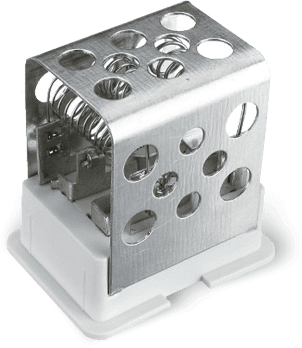
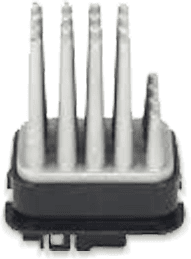
METZGER 0917042 Blower motor resistorProduction date to: 02.02.2009, 04.06.2007, 17.08.2009; Vehicle Equipment: for vehicles with 2 zone automatic air conditioning, for vehicles with automatic climate control, for vehicles with cooled glove compartment; Construction Year to: 01/2012, 05/2010; Production date from: 17.08.200938,99 £*Shipping: 8,45 £Secure redirect to the provider


-
Why does a resistor with a capacitor reduce power consumption in electronics?
A resistor in series with a capacitor forms an RC circuit, which can be used to reduce power consumption in electronics. When a voltage is applied to the circuit, the capacitor charges up through the resistor, and then discharges when the voltage is removed. This charging and discharging process can help smooth out voltage fluctuations and reduce power spikes, leading to more efficient power consumption. Additionally, the resistor limits the current flowing through the circuit, which can also help reduce power consumption and protect the components from damage. **
-
Is this a resistor?
No, this is not a resistor. Resistors are electronic components that limit the flow of electric current in a circuit. The image provided does not show a resistor, but rather a capacitor. Capacitors store and release electrical energy in a circuit, functioning differently from resistors. **
-
What is the difference between a load resistor and a regular resistor?
A load resistor is specifically designed to simulate the presence of a device in an electrical circuit, such as a light bulb or a motor, to ensure proper functioning of the circuit. It is used to test the performance of the circuit under different conditions. On the other hand, a regular resistor is a general-purpose component used to limit current, divide voltage, or provide biasing in a circuit. While both resistors resist the flow of current, a load resistor is tailored for specific testing purposes, whereas a regular resistor has a broader range of applications in electronic circuits. **
-
Is the LED current-limiting resistor as good as the pre-resistor?
The LED current-limiting resistor is not as good as the pre-resistor. The pre-resistor is specifically designed to limit the current flowing through the LED to a safe level, ensuring that the LED operates within its specified parameters. On the other hand, a regular current-limiting resistor may not provide the precise current regulation needed for the LED, leading to potential overcurrent and damage to the LED. Therefore, it is important to use the pre-resistor recommended by the LED manufacturer for optimal performance and longevity of the LED. **
How do you install components such as diodes and a resistor by soldering? But a resistor only has one wire, how does that work?
To install components like diodes and resistors by soldering, you first need to identify the positive and negative terminals of the diode and the resistance value of the resistor. Then, place the components on the circuit board in the correct orientation and bend the leads to hold them in place. For a resistor with only one wire, you would solder one end of the resistor to the circuit board and trim the excess lead. The other end of the resistor is connected to the circuit by soldering a wire to it. **
How do you install components such as diodes and a resistor through soldering? But a resistor only has one wire, how is that possible?
To install components like diodes and resistors through soldering, you first need to identify the correct placement on the circuit board. Diodes have two wires, one for the anode and one for the cathode, which are soldered to their respective locations on the board. Resistors, on the other hand, have only one wire, but they also have color bands that indicate the resistance value. The single wire of the resistor is soldered to one point on the circuit board, while the other end is soldered to a different point to complete the circuit. **
Top-Angebote
Products related to Resistor:
-
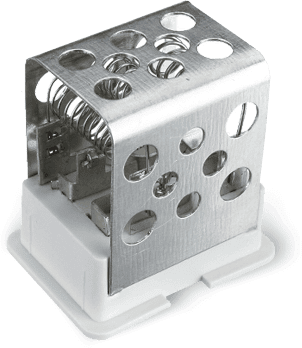
METZGER 0917042 Blower motor resistorProduction date to: 02.02.2009, 04.06.2007, 17.08.2009; Vehicle Equipment: for vehicles with 2 zone automatic air conditioning, for vehicles with automatic climate control, for vehicles with cooled glove compartment; Construction Year to: 01/2012, 05/2010; Production date from: 17.08.200938,99 £*Shipping: 8,45 £Secure redirect to the provider
-
What distinguishes an LDR resistor from an NTC resistor?
An LDR (Light Dependent Resistor) is a type of resistor whose resistance decreases with an increase in the intensity of light. On the other hand, an NTC (Negative Temperature Coefficient) resistor is a type of resistor whose resistance decreases as the temperature increases. Therefore, the main distinguishing factor between the two is the parameter that affects their resistance - light intensity for LDR and temperature for NTC resistors. **
-
What are the tolerances for resistor chains and resistor cubes?
The tolerances for resistor chains and resistor cubes typically depend on the specific manufacturer and type of resistor used. However, in general, the tolerances for resistor chains and cubes are usually around 1-5%. This means that the actual resistance of the chain or cube may vary from the specified value by up to 1-5%. It is important to consider these tolerances when designing circuits to ensure accurate performance. **
-
Why does a resistor with a capacitor reduce power consumption in electronics?
A resistor in series with a capacitor forms an RC circuit, which can be used to reduce power consumption in electronics. When a voltage is applied to the circuit, the capacitor charges up through the resistor, and then discharges when the voltage is removed. This charging and discharging process can help smooth out voltage fluctuations and reduce power spikes, leading to more efficient power consumption. Additionally, the resistor limits the current flowing through the circuit, which can also help reduce power consumption and protect the components from damage. **
-
Is this a resistor?
No, this is not a resistor. Resistors are electronic components that limit the flow of electric current in a circuit. The image provided does not show a resistor, but rather a capacitor. Capacitors store and release electrical energy in a circuit, functioning differently from resistors. **
Similar search terms for Resistor
-
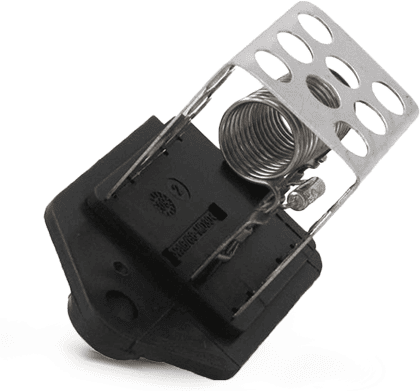
METZGER 0917688 Blower motor resistorOperating Mode: Electric; Number of pins: 5; Manufacturer Restriction: JOHNSON; Manufacturer Exclusion: MES; Always compare old and new part (in particular OE No.): ; Fitting Position: Air Distribution Flap, Back Pressure Flap; Version: STAUDRUCKKLAPPE, LUFTVERTEILERKLAPPE, STAUBDRUCKKLAPPE; Production date to: 09.12.2018; for PR number: 9AC, KH6, 9AK, KH7, 9M0, 9M3; for OE number: 255653236,99 £*Shipping: 8,45 £Secure redirect to the provider
-
What is the difference between a load resistor and a regular resistor?
A load resistor is specifically designed to simulate the presence of a device in an electrical circuit, such as a light bulb or a motor, to ensure proper functioning of the circuit. It is used to test the performance of the circuit under different conditions. On the other hand, a regular resistor is a general-purpose component used to limit current, divide voltage, or provide biasing in a circuit. While both resistors resist the flow of current, a load resistor is tailored for specific testing purposes, whereas a regular resistor has a broader range of applications in electronic circuits. **
-
Is the LED current-limiting resistor as good as the pre-resistor?
The LED current-limiting resistor is not as good as the pre-resistor. The pre-resistor is specifically designed to limit the current flowing through the LED to a safe level, ensuring that the LED operates within its specified parameters. On the other hand, a regular current-limiting resistor may not provide the precise current regulation needed for the LED, leading to potential overcurrent and damage to the LED. Therefore, it is important to use the pre-resistor recommended by the LED manufacturer for optimal performance and longevity of the LED. **
-
How do you install components such as diodes and a resistor by soldering? But a resistor only has one wire, how does that work?
To install components like diodes and resistors by soldering, you first need to identify the positive and negative terminals of the diode and the resistance value of the resistor. Then, place the components on the circuit board in the correct orientation and bend the leads to hold them in place. For a resistor with only one wire, you would solder one end of the resistor to the circuit board and trim the excess lead. The other end of the resistor is connected to the circuit by soldering a wire to it. **
-
How do you install components such as diodes and a resistor through soldering? But a resistor only has one wire, how is that possible?
To install components like diodes and resistors through soldering, you first need to identify the correct placement on the circuit board. Diodes have two wires, one for the anode and one for the cathode, which are soldered to their respective locations on the board. Resistors, on the other hand, have only one wire, but they also have color bands that indicate the resistance value. The single wire of the resistor is soldered to one point on the circuit board, while the other end is soldered to a different point to complete the circuit. **
* All prices are inclusive of VAT and, if applicable, plus shipping costs. The offer information is based on the details provided by the respective shop and is updated through automated processes. Real-time updates do not occur, so deviations can occur in individual cases. ** Note: Parts of this content were created by AI.